
Wildlife of Costa Rica's Southern Pacific Coast: A Complete Guide
Costa Rica covers just 0.03% of the Earth's surface. It shelters nearly 5% of the planet's total biodiversity. And nowhere in the country is that number more viscerally felt than along its southern Pacific coast.
This is a region where humpback whales surface just offshore, where scarlet macaws fly in pairs above the beach every morning like clockwork, where sea turtles crawl ashore at night to nest on the same stretch of sand their ancestors used for centuries. The Costa Ballena — the stretch of coastline running from Dominical through Uvita and down to Ojochal — sits at the center of one of the most biodiverse marine and terrestrial ecosystems in the world, flanked by two of Costa Rica's most extraordinary national parks and bordered by the Pacific Ocean on one side and primary rainforest on the other.
For wildlife watchers, this region is not a detour from the main attraction. It is the main attraction.
This guide covers what you can expect to see, when to see it, and how to make the most of every encounter — from the canopy above Ojochal to the open water off Marino Ballena.
Humpback Whales: The Wildlife Experience That Defines the Costa Ballena
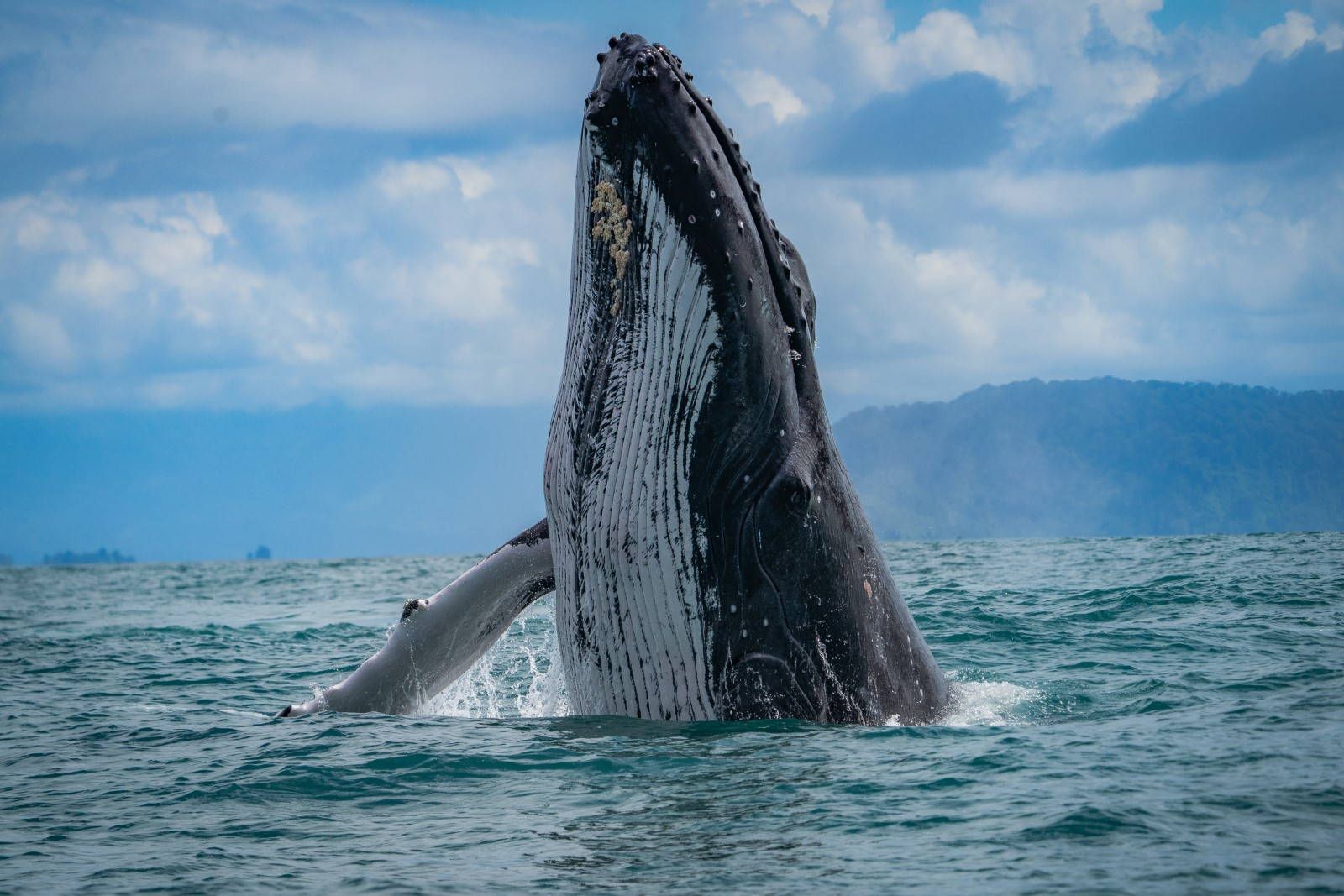
Humpback whales are best seen from July to November and December to April along the Pacific coast, particularly in Marino Ballena National Park.
What makes this stretch of coast so remarkable for whale watching is the double migration — two distinct populations of humpbacks pass through these waters in separate seasons. Southern hemisphere whales from Antarctica arrive from July through October or November. Northern hemisphere whales from Alaska and California arrive from December through April. The result is nearly nine months of active whale watching in a single location.
During peak season — August through October — encounters are frequent and intimate. Mother and calf pairs nurse in the warm, protected waters near the Golfo Dulce. Breaches, fin slaps, and spy hops are common. Boat tours depart from Playa Uvita and typically run three hours, putting guests within close range of animals that seem remarkably unbothered by the presence of small vessels.
Dolphins — both bottlenose and spotted — are present year-round and frequently join the boats. Even on the days between whale sightings, dolphin encounters on the Costa Ballena are virtually guaranteed.
Best months: August–October (southern hemisphere); December–March (northern hemisphere)
How to see them: Guided boat tours from Playa Uvita, 17 minutes from Hotel Three Sixty
Scarlet Macaws: The Most Visible Bird on the Southern Pacific Coast
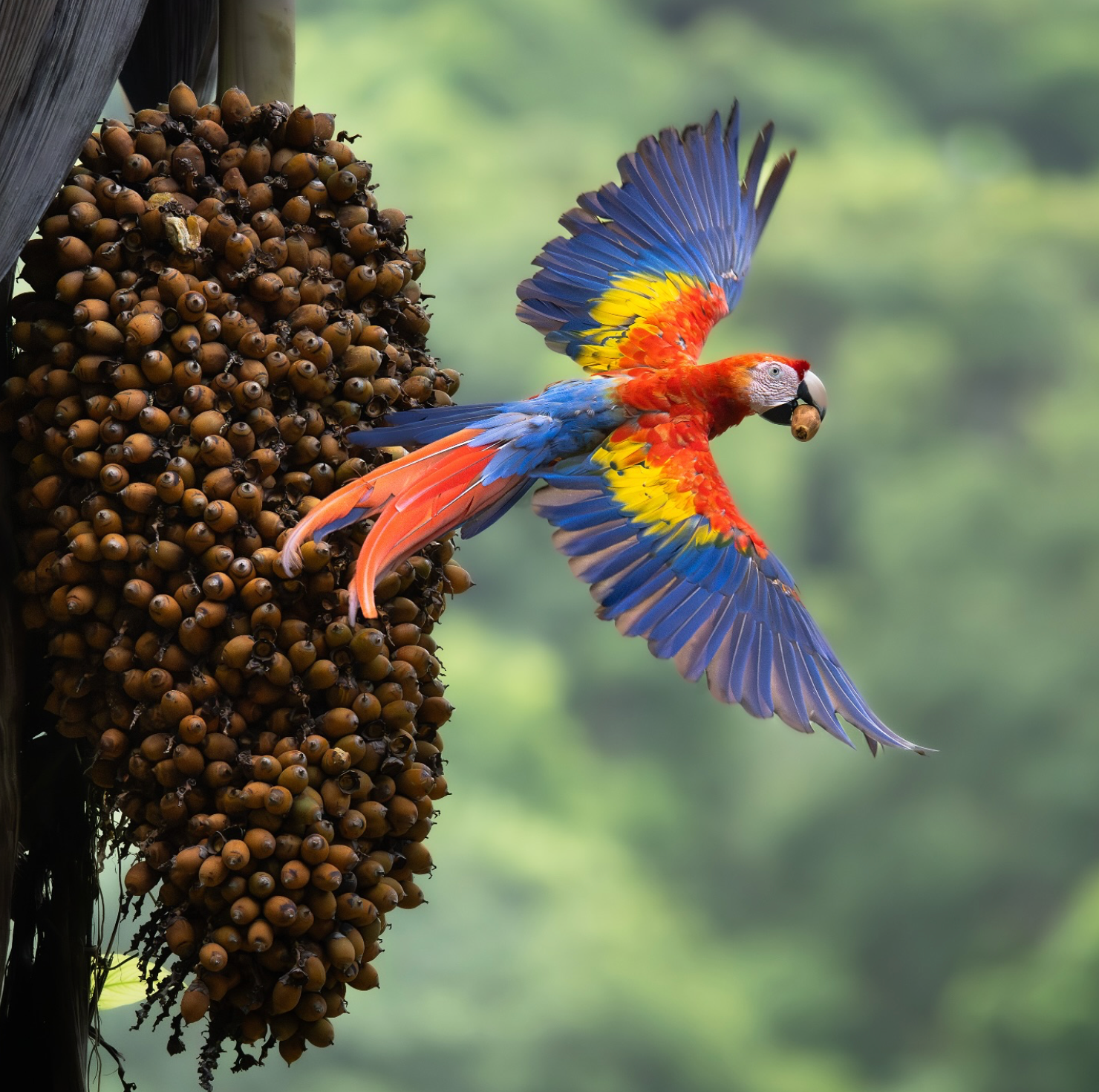
Of the two macaw species found in Costa Rica — the scarlet and the great green — scarlet macaws are often seen in pairs around Corcovado, most active in the early morning and late afternoon. They mate for life and can live up to 50 years.
Along the Costa Ballena, scarlet macaws are a daily presence rather than a lucky sighting. They move in bonded pairs, announcing their arrival with loud, rasping calls before flashing through the canopy in a blur of red, yellow, and blue. Early mornings and late afternoons are the most reliable windows — the birds move between feeding trees and roosting sites with a predictability that rewards patient watchers.
From the terrace of a villa at Hotel Three Sixty, macaw sightings before breakfast are common. The hotel's position above Ojochal's rainforest canopy places guests directly in the birds' daily flight paths — no hike required, no tour boat needed. Just coffee and a good pair of eyes.
Best months: Year-round; most active October–April during nesting season
Where to see them: Canopy above Ojochal, beach edges near Marino Ballena, Corcovado National Park
Sea Turtles: Nesting Season on Playa Tortuga
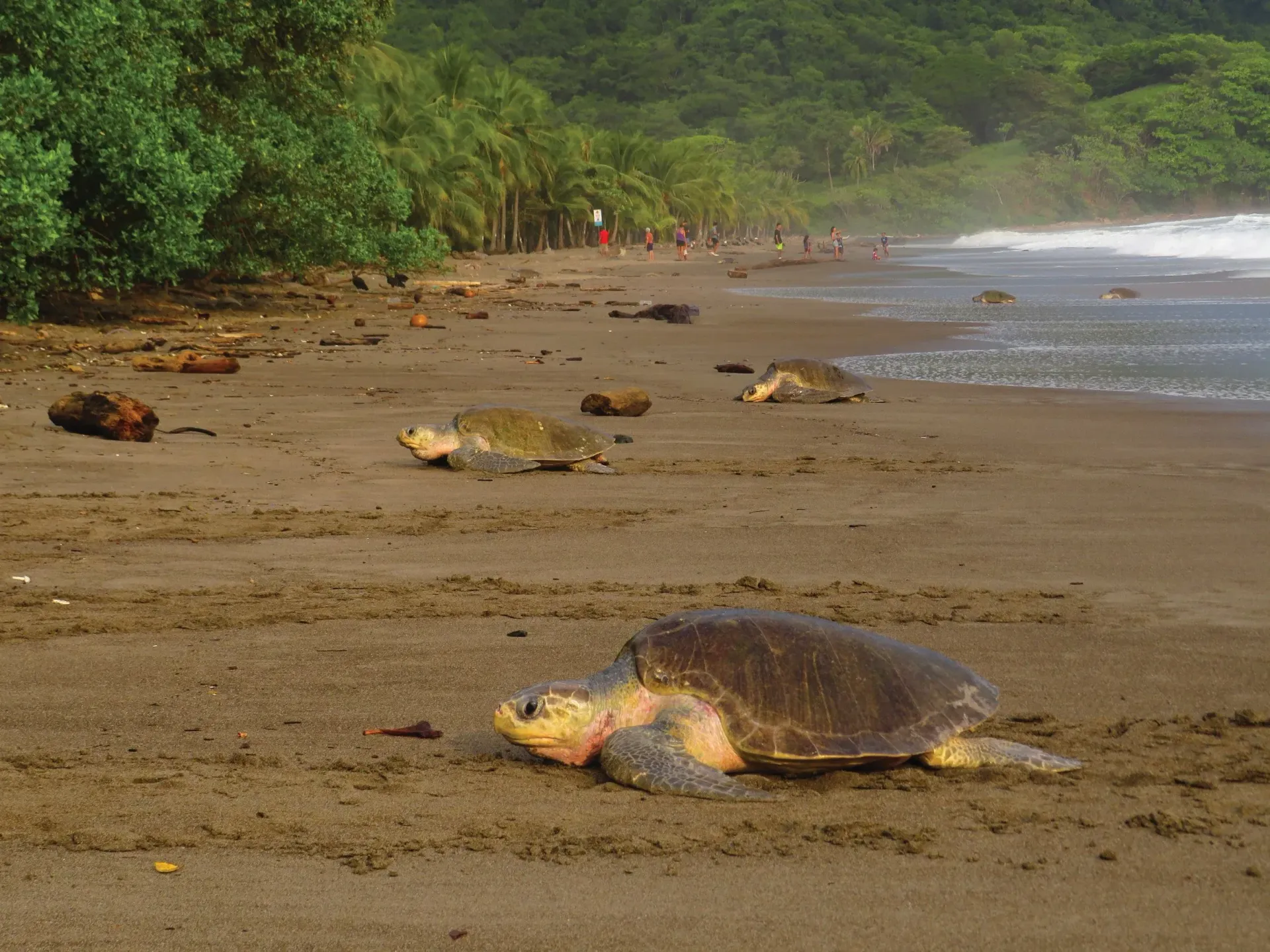
Just five minutes from Hotel Three Sixty, Playa Tortuga is one of the most important Olive Ridley sea turtle nesting beaches on Costa Rica's southern Pacific coast. Protected by the non-profit Reserva Playa Tortuga since 2010, the beach receives nesting females from June through December, with the peak concentration arriving in September and October.
On peak nights, multiple turtles can be observed nesting on the same beach — a quiet, profoundly moving experience that wildlife travelers consistently describe as one of the most memorable of their lives. The reserve's team monitors the beach year-round and can arrange accompanied evening walks during nesting season.
October — right now — is one of the best months of the entire year to witness this. Sea turtles are one of the easiest species to see along the Pacific Ocean and South Pacific Coast.
Best months: September–October for peak nesting; June–December for the full season
Where to see them: Playa Tortuga, 5 minutes from Hotel Three Sixty
Monkeys: Four Species, One Region
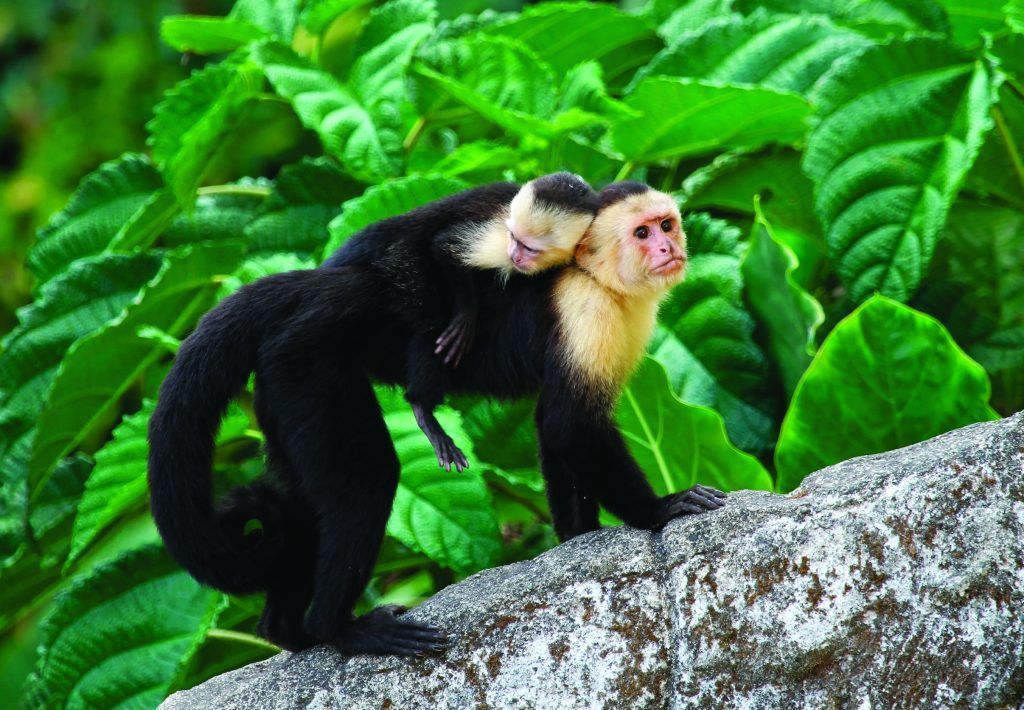
The Costa Ballena and surrounding Osa Peninsula shelter all four monkey species found in Costa Rica — a distinction shared by very few places in the country.
Howler monkeys are the soundtrack of every morning in Ojochal. Their deep, resonant calls carry for miles through the rainforest and reliably begin before sunrise — a natural alarm clock that guests at Hotel Three Sixty quickly grow fond of. Troops move through the hotel's surrounding canopy regularly.
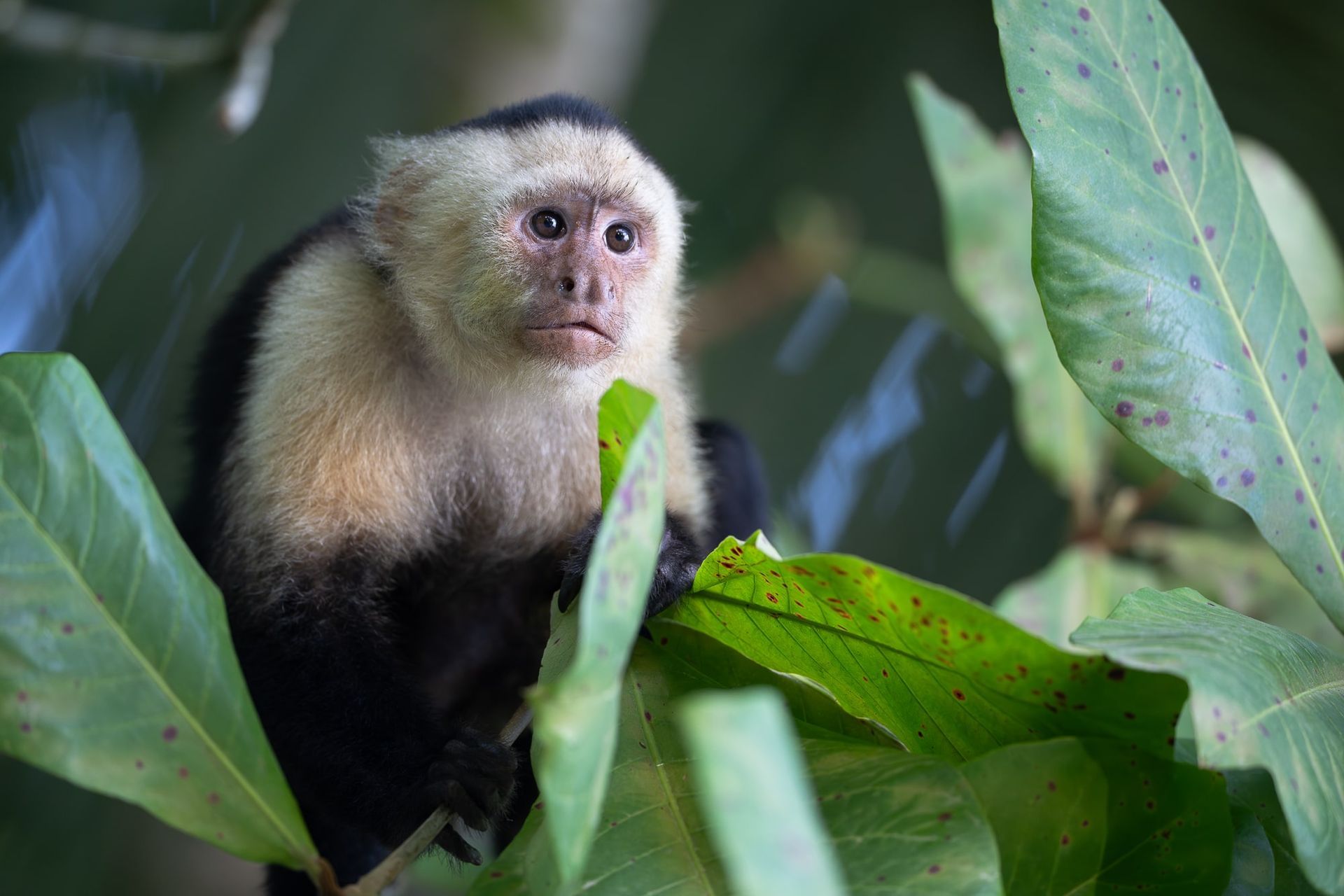
White-faced capuchins are the most frequently seen and the most curious — intelligent, bold, and often spotted at forest edges near beaches and rivers. Spider monkeys are more elusive, preferring undisturbed primary forest, making Corcovado National Park the best place to find them. Squirrel monkeys, the smallest of the four, are found primarily in the Osa Peninsula and are considered endangered — a Corcovado sighting is a genuine privilege.
Best months: Year-round; most active early morning and late afternoon
Where to see them: Rainforest canopy above Ojochal, Marino Ballena park edges, Corcovado National Park
Birds: Over 275 Species on the Southern Pacific Coast
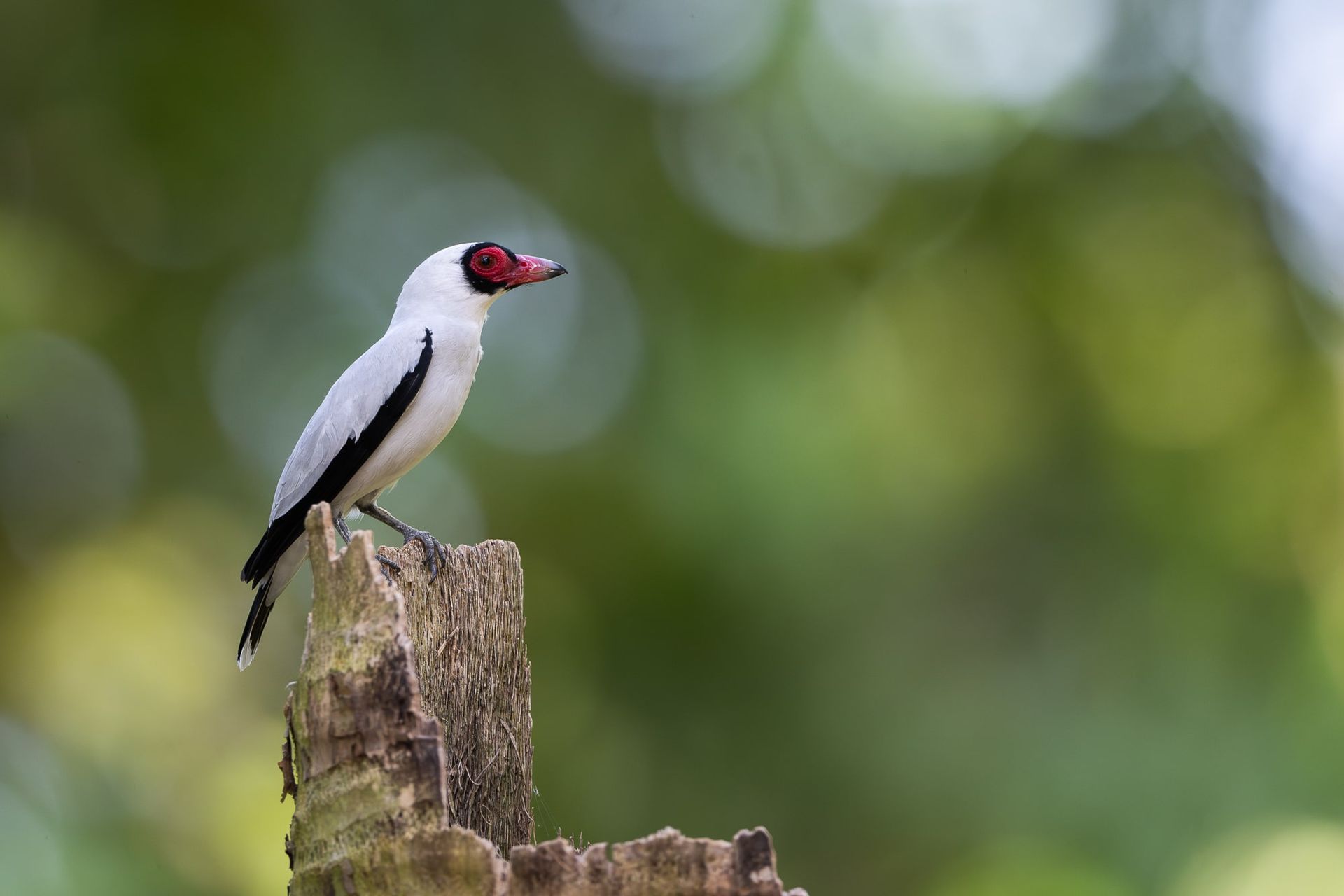
More than 275 bird species thrive in the southern Pacific coast habitat, providing outstanding birdwatching opportunities from macaws and toucans to hummingbirds. Marino Ballena National Park alone plays host to over 222 species of birds.
For birdwatchers, the Costa Ballena offers an embarrassment of riches. Beyond the unmissable scarlet macaws, the region's most sought-after sightings include:
Keel-billed and chestnut-mandibled toucans — large, theatrical birds that move through the canopy in small groups and are frequently spotted from hotel terraces and forest trails. Roseate spoonbills — vivid pink wading birds found in the mangroves along the Térraba-Sierpe estuary, one of the most productive birding habitats in the region. Magnificent frigatebirds and brown pelicans — coastal species that patrol the beaches and offshore waters of Marino Ballena daily. Motmots — stunning, jewel-colored birds with distinctive racket-shaped tails, common in the forest understory around Ojochal.
The Térraba-Sierpe mangrove system — the largest in Costa Rica, 45 minutes from Hotel Three Sixty — deserves its own visit for birders. The wetlands are home to a multitude of aquatic birds, reptiles, fish, and mammals. Boat tours through the mangroves en route to Corcovado often yield kingfishers, herons, anhingas, and raptors in numbers that are difficult to find elsewhere on the Pacific coast.
Best months: Year-round; November–April for migratory species
Where to see them: Ojochal canopy, Marino Ballena coast, Térraba-Sierpe mangroves, Corcovado National Park
Sloths: The Canopy's Most Patient Residents
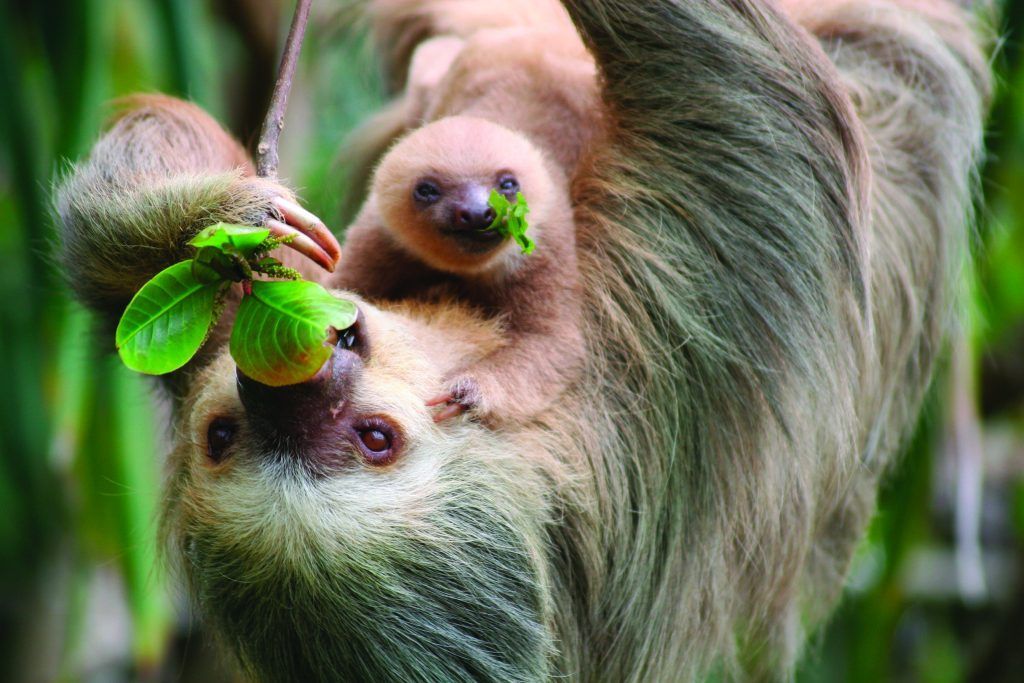
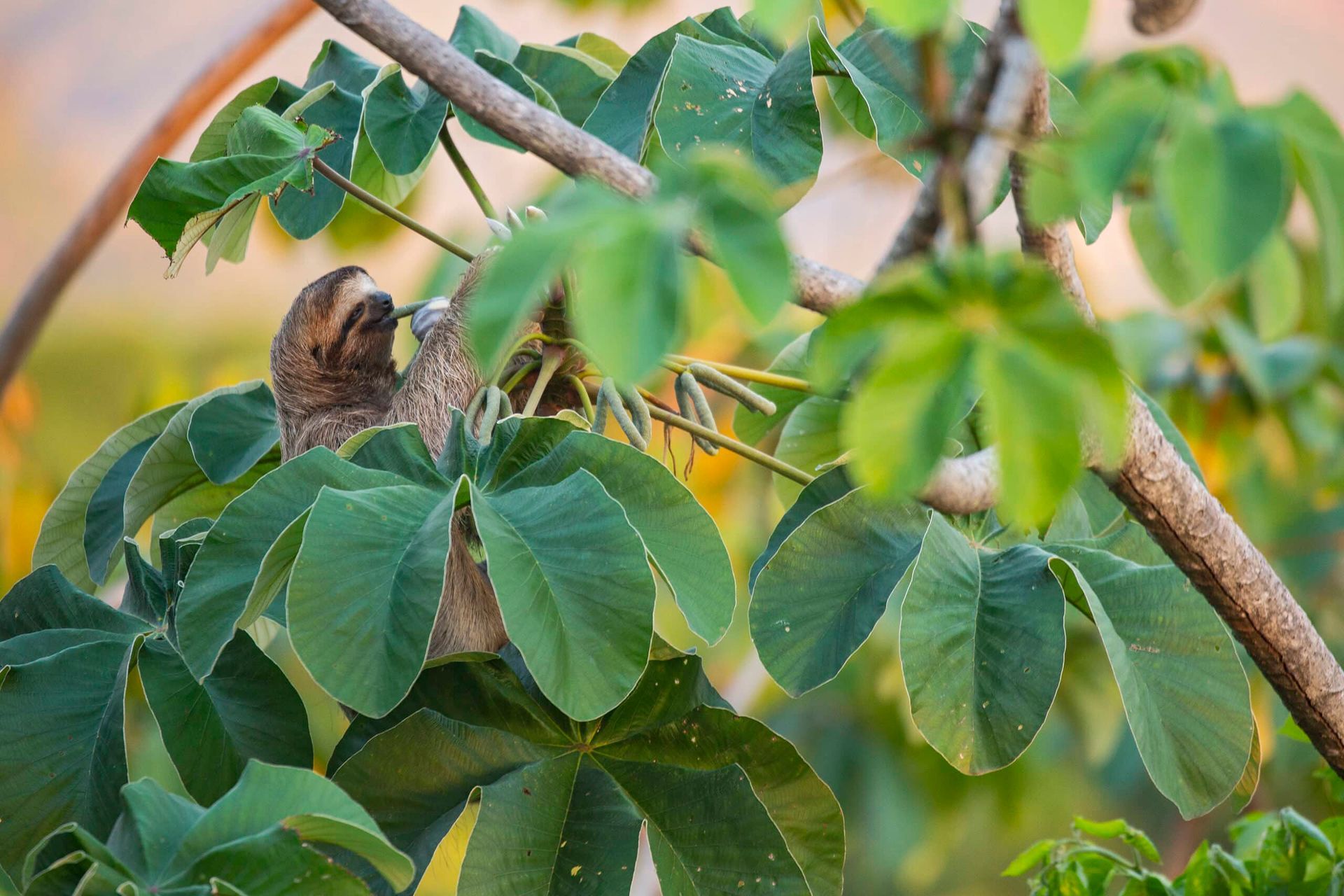
This is paragraph text. Click it or hit the Manage Text button to cBoth sloth species found in Costa Rica — the two-toed and the three-toed — are present throughout the Costa Ballena region. They are creatures of extraordinary stillness, spending up to 20 hours a day motionless in the canopy and moving so slowly that algae grows in their fur, giving their coats a distinctive greenish tint.
Spotting sloths requires patient eyes scanning the upper canopy for the rounded outline of a sleeping animal curled around a branch. Once you know what to look for, they become surprisingly visible — cecropia trees are a particular favorite and worth checking carefully wherever you find them. A local guide dramatically increases your chances, since experienced eyes can spot from a distance what most travelers walk directly beneath without noticing.
Best months: Year-round; easier to spot in dry season when trees lose some foliage
Where to see them: Rainforest canopy throughout Ojochal and surroundingshange the font, color, size, format, and more. To set up site-wide paragraph and title styles, go to Site Theme.
Hotel Three Sixty: Your Home Base for Wildlife Watching
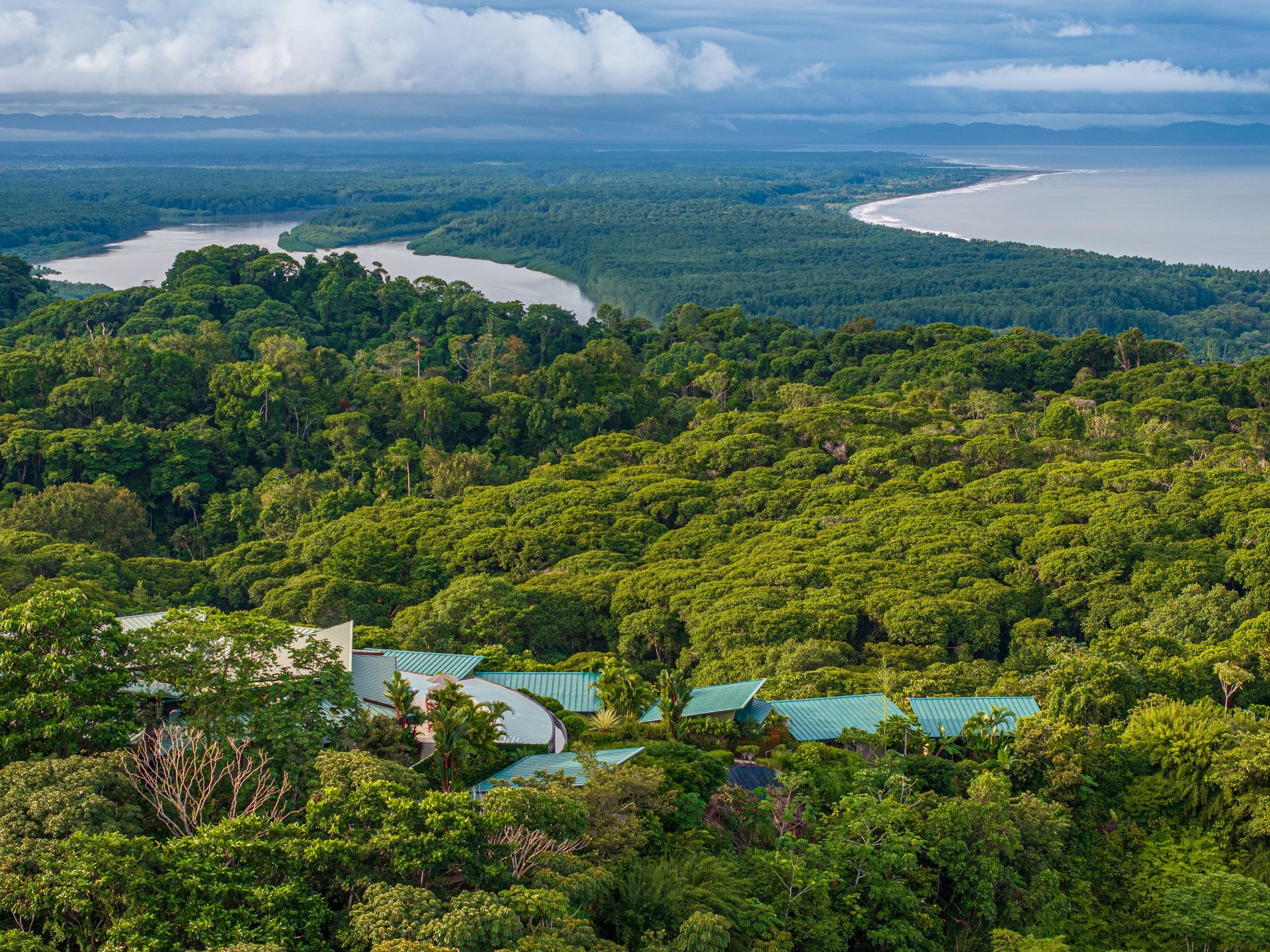
Here is what separates a wildlife trip to the Costa Ballena from almost anywhere else: you don't have to travel far from your hotel for extraordinary encounters. You just have to open your terrace door.
Hotel Three Sixty sits perched above Ojochal's primary rainforest canopy, and the surrounding forest is not backdrop — it's habitat. Howler monkeys call from the trees before dawn. Scarlet macaws cross the sky at breakfast. Toucans visit the restaurant. Hummingbirds work the flowering trees along the villa paths. The property itself functions as a wildlife watching platform, and everything else on this list — Playa Tortuga's nesting turtles, Marino Ballena's whale watching tours, the Térraba-Sierpe mangroves, Corcovado National Park — is within an easy day trip from the hotel.
The concierge team at Hotel Three Sixty can arrange guided wildlife tours, whale watching excursions, turtle nesting evening walks, and birdwatching hikes tailored to exactly what's in season when you visit.