
Corcovado National Park: Costa Rica's Ultimate Wildlife Guide
There is a place at the southern tip of Costa Rica where the rainforest grows so dense and alive that scientists have run out of superlatives to describe it.
National Geographic once called Corcovado National Park "the most biologically intense place on Earth" — and it's a title the park earns every single day. Jaguars move silently through the undergrowth. Scarlet macaws ignite the canopy with color. Tapirs wade through rivers that have carved through the same primary forest for centuries. And all of it unfolds in a landscape so wild and untouched it feels less like a destination and more like a glimpse into a world before human time.
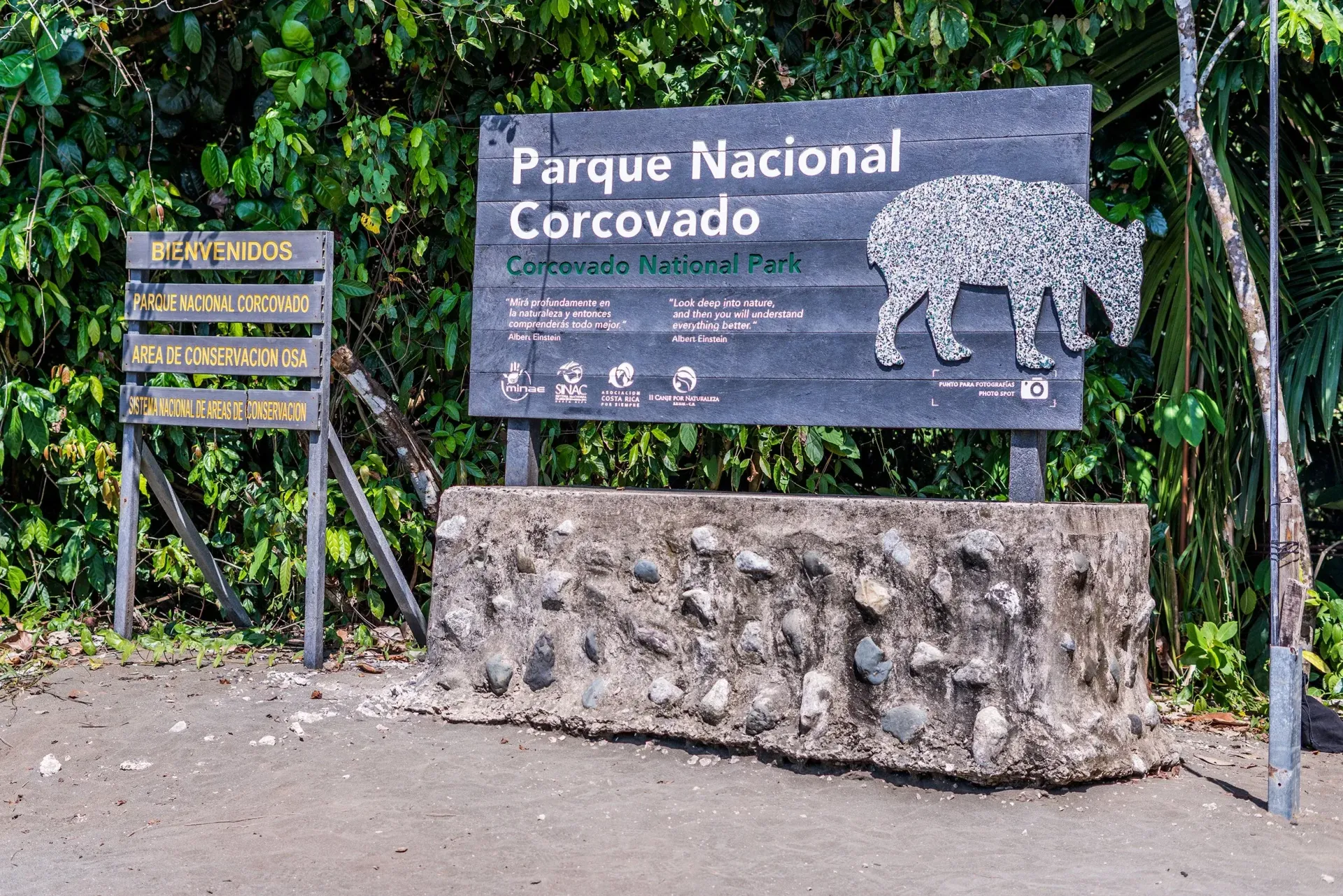
Corcovado sits at the remote southwestern tip of Costa Rica's Osa Peninsula, covering 424 square kilometers and sheltering an astonishing 2.5% of the planet's total biodiversity within just a tiny fraction of the Earth's surface. For anyone who travels to experience nature at its most raw and extraordinary, this is the crown jewel of Costa Rica's national park system — and one of the most remarkable protected areas anywhere on the planet.
If you're traveling along Costa Rica's southern Pacific coast and wondering whether Corcovado belongs on your itinerary: it does. Here's everything you need to know to plan your visit.
What Makes Corcovado So Special?
Most national parks protect a single ecosystem. Corcovado protects thirteen.
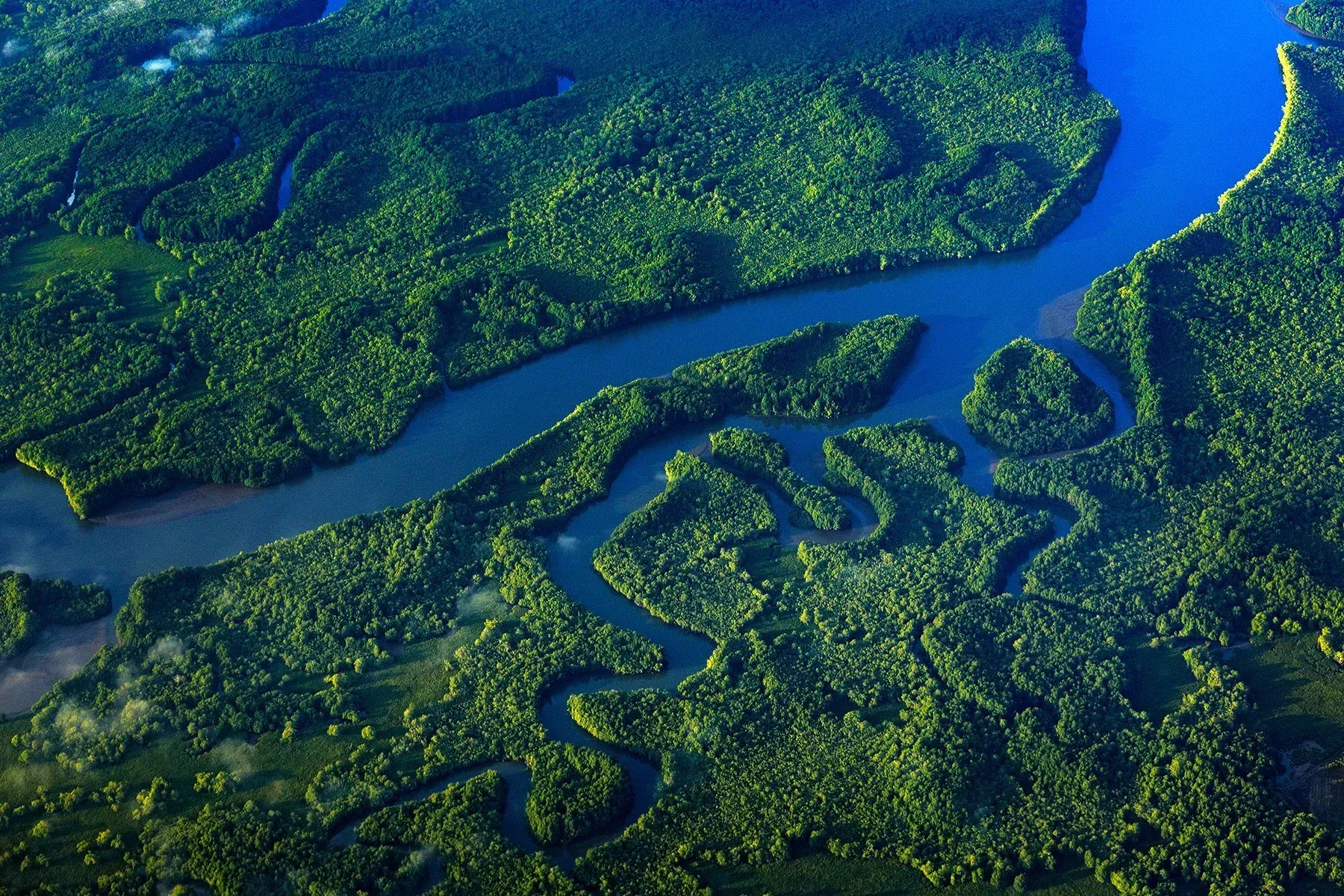
From lowland tropical rainforest and highland cloud forest to mangrove swamps, jolillo palm forests, and wild Pacific coastline, the park encompasses an extraordinary mosaic of habitats that creates exceptional conditions for wildlife. Within just a few kilometers, you move from a dense 40-meter canopy to coastal lagoons washed by the Pacific.
The park occupies 40% of the Osa Peninsula, which itself contains over 250,000 species — roughly half of all of Costa Rica's biodiversity. Endangered animals that have largely disappeared from much of Central America still have healthy, thriving populations here. That's what makes Corcovado different. This isn't a park where you hope to glimpse wildlife. This is a park where wildlife finds you.
The Wildlife: What You Can Expect to See
Corcovado is in a category of its own when it comes to wildlife encounters.
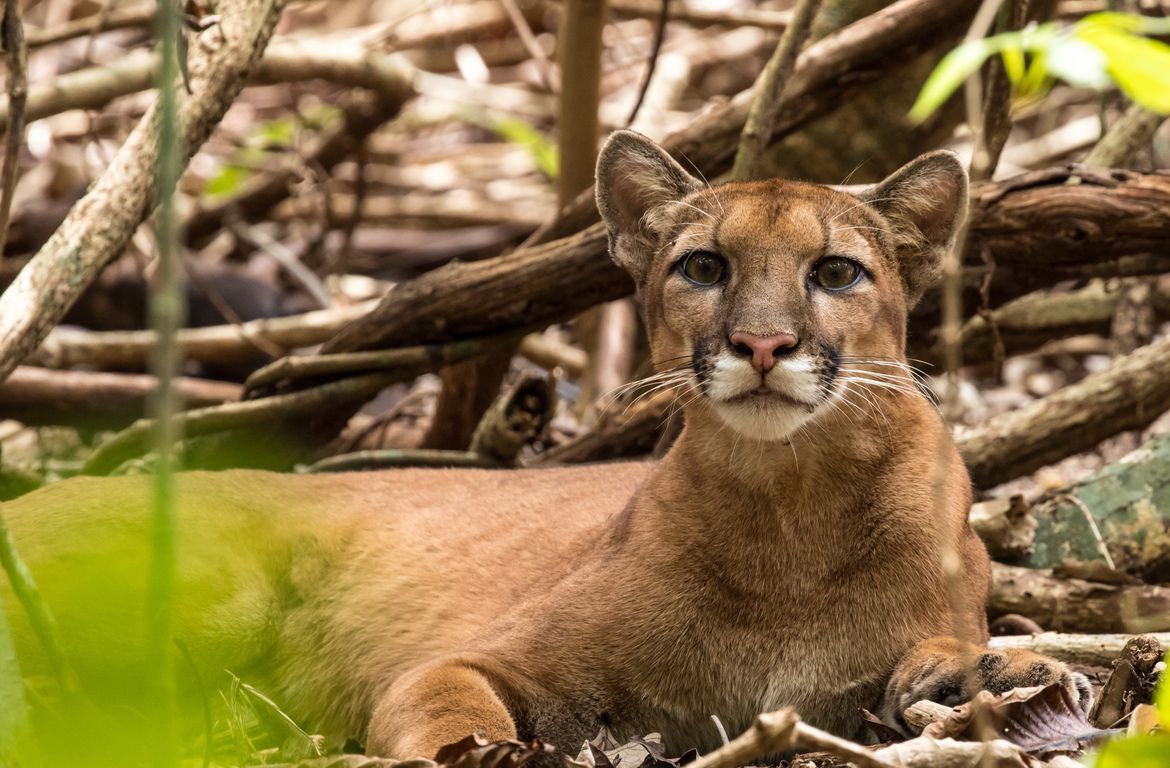
The park shelters 500 tree species, 375 bird species, and nearly 140 mammal species. It is one of the last refuges for the jaguar in Central America, and one of the only areas where all four Costa Rican monkey species — howler, spider, white-faced capuchin, and squirrel monkey — coexist.
Baird's tapir, which has disappeared from much of its former range across Central America because it requires large tracts of undisturbed forest, is actually common in Corcovado. The same goes for white-lipped peccaries, scarlet macaws, and an array of reptiles and amphibians that exist nowhere else in the region.
On a guided walk through the park, you can expect to encounter howler monkeys, white-faced capuchins, sloths, bats, raccoons, and scarlet macaws — often within a single morning. For birdwatchers, Corcovado is a bucket-list destination. Among the most prized sightings are the Black-cheeked Ant-Tanager, endemic to the Osa Peninsula; the vibrant Baird's Trogon; the King Vulture soaring above the canopy; and for the very lucky, the rare and powerful Harpy Eagle.
How to Enter the Park: Ranger Stations and Access Points
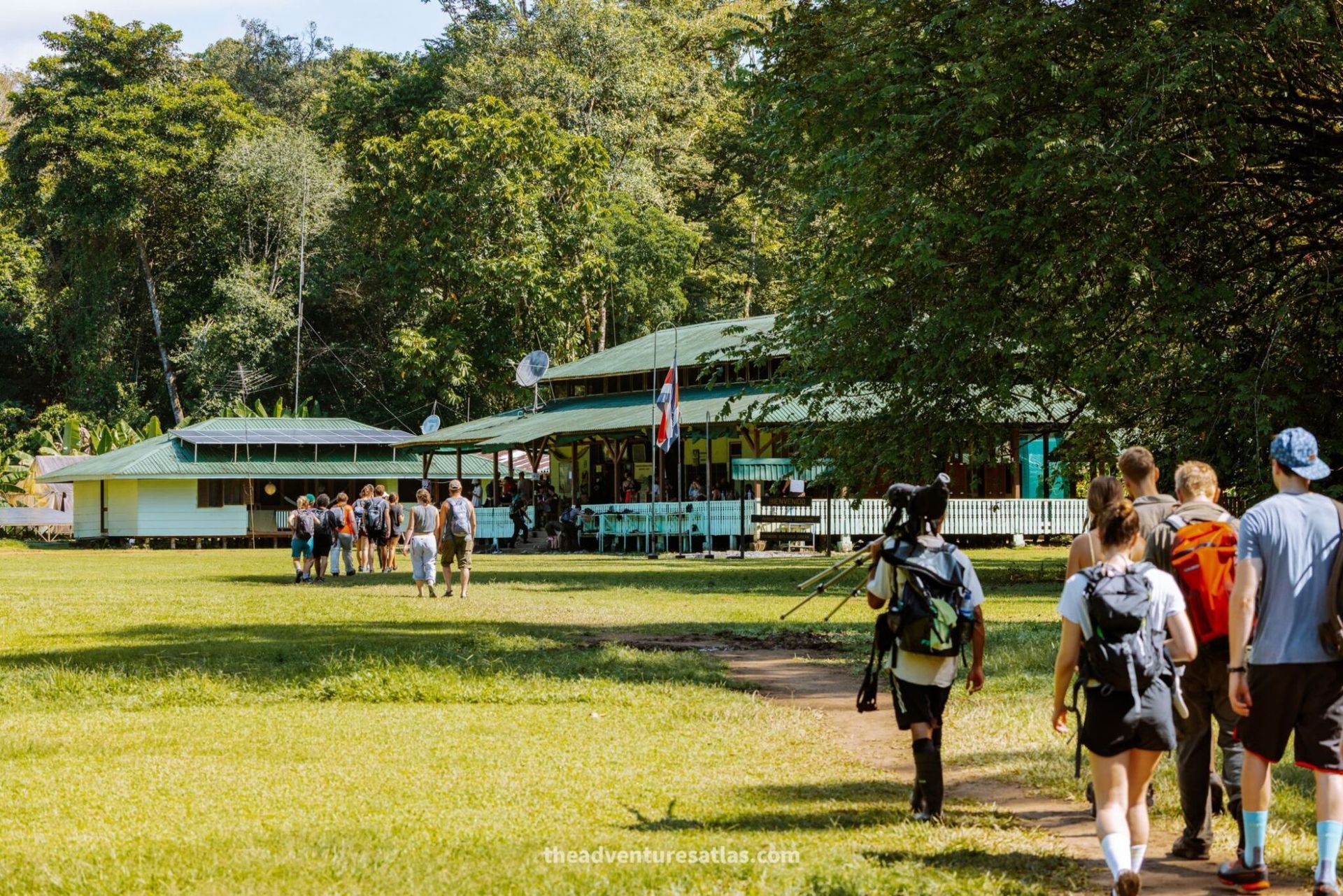
Corcovado has multiple entry points, each offering a different experience. All visitors must have a certified guide — a rule that has been in place since 2014 and applies to everyone, no exceptions. Permits are required and limited, so booking well in advance is essential, especially during high season.
Sirena Ranger Station is the park's crown jewel. Located halfway down the Osa Peninsula and surrounded by virgin rainforest, Sirena is widely considered the best place to see wildlife in all of Costa Rica. You can arrive by boat from Drake Bay or Puerto Jiménez, or by small plane. Day trips are possible, but spending a night at Sirena — in rustic dormitory-style accommodations in the heart of the rainforest — is one of Costa Rica's most extraordinary eco-experiences.
San Pedrillo Station, accessible by boat from Drake Bay, is the closest entry point for visitors approaching from the north of the peninsula. It offers excellent trails through primary forest and spectacular coastal scenery.
La Leona Station, near Carate on the southern end of the park, is the entry point for those approaching from Puerto Jiménez. Interestingly, if you enter here you can still see remnants of the communities that once existed on this land before the park was established — rusted farming equipment, old foundations, even a cemetery hidden in the forest.
Practical info:
- Entrance fee: $15 USD per adult, $5 for children ages 2–12
- Park hours: 7:00 AM – 4:00 PM daily (closed in October due to heavy rains)
- Only 100 permits are issued per day — book at least 60 days ahead during dry season
- A certified guide is mandatory for all visitors
Day Trip or Overnight? What to Choose
Even day trips to Corcovado leave visitors marveling at the towering vegetation and sheer quantity of wildlife. If your time is limited, a guided day tour from Drake Bay to Sirena via boat is an exceptional experience that most travelers describe as one of the highlights of their entire trip to Costa Rica.
That said, if you can carve out two or more days, an overnight at Sirena Ranger Station rewards you with something a day visit simply cannot: the rainforest at dawn, when the forest wakes up and the wildlife moves. A minimum of three to five days allows for a deeper and more immersive experience, including the classic Los Patos–Sirena–La Leona trek — a multi-day route through the heart of the park that represents the most complete Corcovado experience available.
Getting There from the Costa Ballena
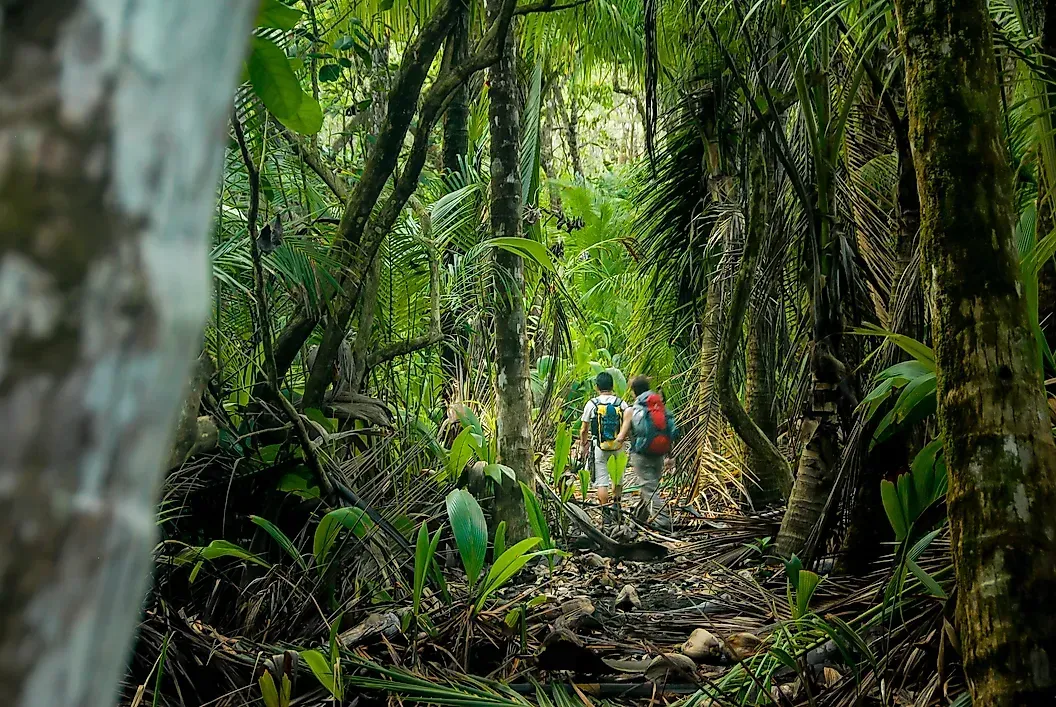
One of the best-kept secrets among savvy travelers is that the southern Pacific coast — the stretch of coastline around Uvita, Dominical, and Ojochal — is actually an excellent base for visiting Corcovado.
From Uvita or Ojochal, it takes approximately 1.5 hours by boat to reach the park via Drake Bay. Alternatively, a 45-minute drive from Ojochal brings you to the town of Sierpe, where boat tours depart through the spectacular Térraba-Sierpe mangroves and across the Pacific to the park's San Pedrillo station. It's a route that turns the journey itself into part of the adventure — with crocodiles in the mangroves, seabirds over the open water, and occasionally, humpback whales in the distance.
Staying in Ojochal means you're positioned perfectly between the wonders of Marino Ballena National Park to the north and the wild frontier of the Osa Peninsula to the south. Hotel Three Sixty, with its private villas nestled in the rainforest above the Pacific, puts both within reach — and gives you a tranquil, beautiful place to return to after a day of extraordinary wildlife encounters.
Best Time to Visit Corcovado
The dry season, from December to April, brings sunny weather, easier trails, and peak wildlife activity — but also peak demand, so accommodations and permits must be booked well in advance.
The green season, from May through November, transforms Corcovado into a lush, emerald world with fewer visitors. This is also the best period for whale watching in the surrounding waters, as humpback whales migrate through the region from July through November. Trails are muddier but wildlife can be even more active. October is the wettest month and some stations may have limited access — plan around it.
For a balance of good conditions and fewer crowds, May, June, and November are ideal.
What to Pack
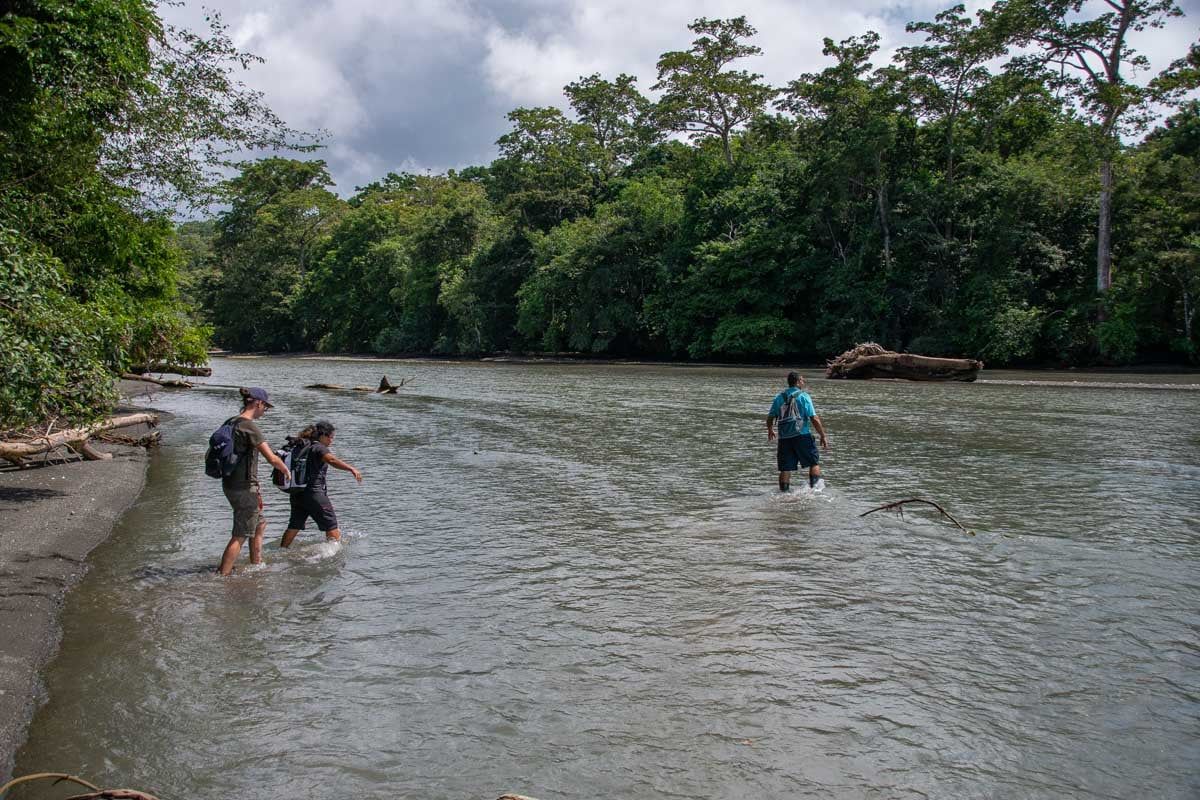
The rainforest doesn't care about your itinerary — come prepared.
- Lightweight, quick-dry clothes and long sleeves for sun and insects
- Sturdy, waterproof hiking boots or trail shoes
- At least 3 liters of water per person
- High-quality insect repellent
- Rain jacket (year-round)
- Dry bag for electronics and valuables
- Binoculars — you'll use them constantly
Plan Your Osa Peninsula Adventure
Corcovado is the kind of place that changes how you think about the natural world. It's not a comfortable experience — it's a humid, wild, thoroughly unpredictable one. And that, precisely, is what makes it unforgettable.
If you're building an itinerary along Costa Rica's southern Pacific coast, combine Corcovado with a visit to Marino Ballena National Park in Uvita, a stop at the sea caves of Playa Ventanas, and a few unhurried days absorbing the beauty of the Costa Ballena. Make Hotel Three Sixty in Ojochal your home base, and you'll have everything this remarkable region offers at your doorstep.