
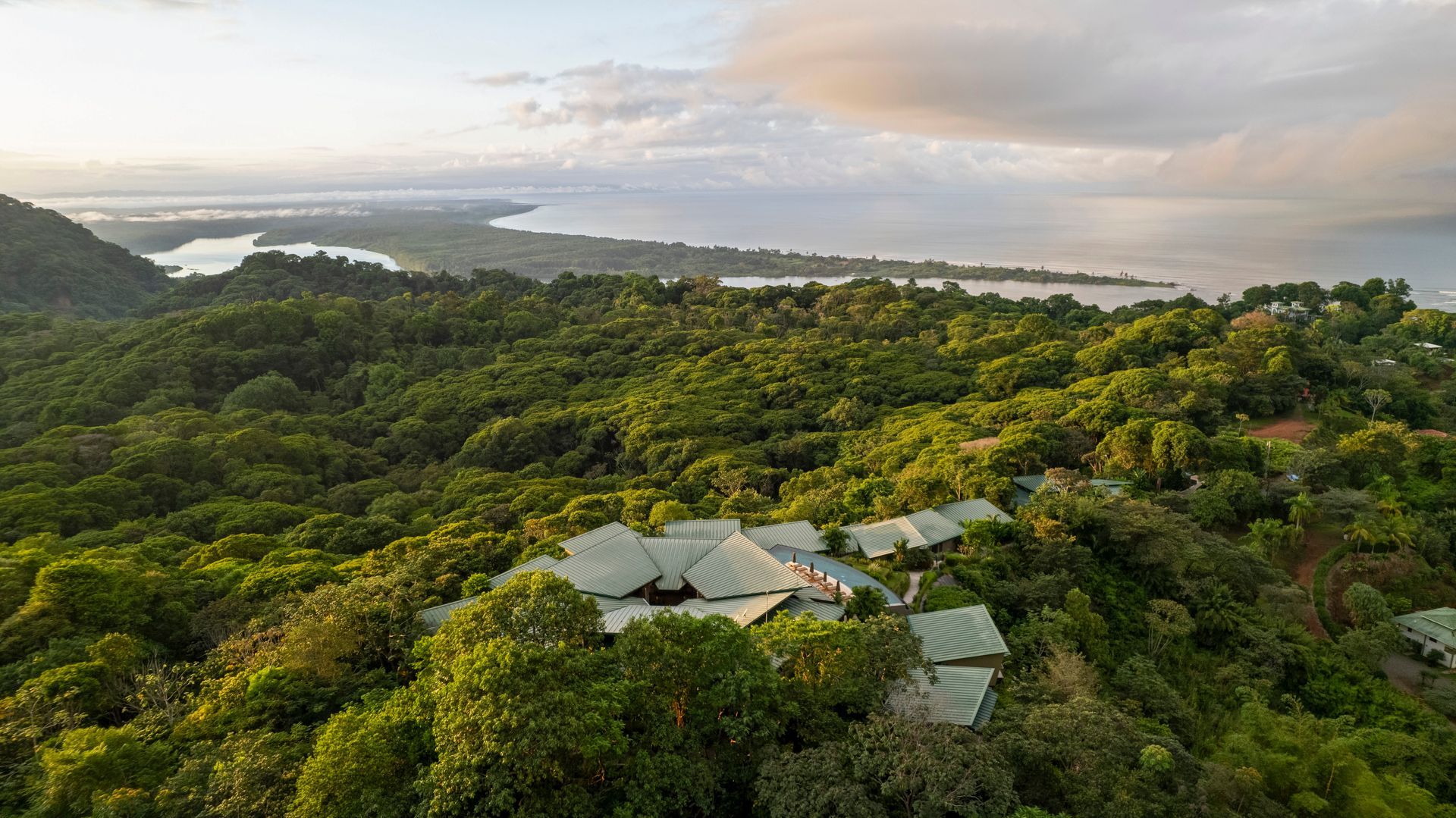
Best Time to Visit Costa Rica's Southern Pacific Coast: A Season-by-Season Guide
One of the most common questions travelers ask when planning a Costa Rica trip is a simple one: when should I go?
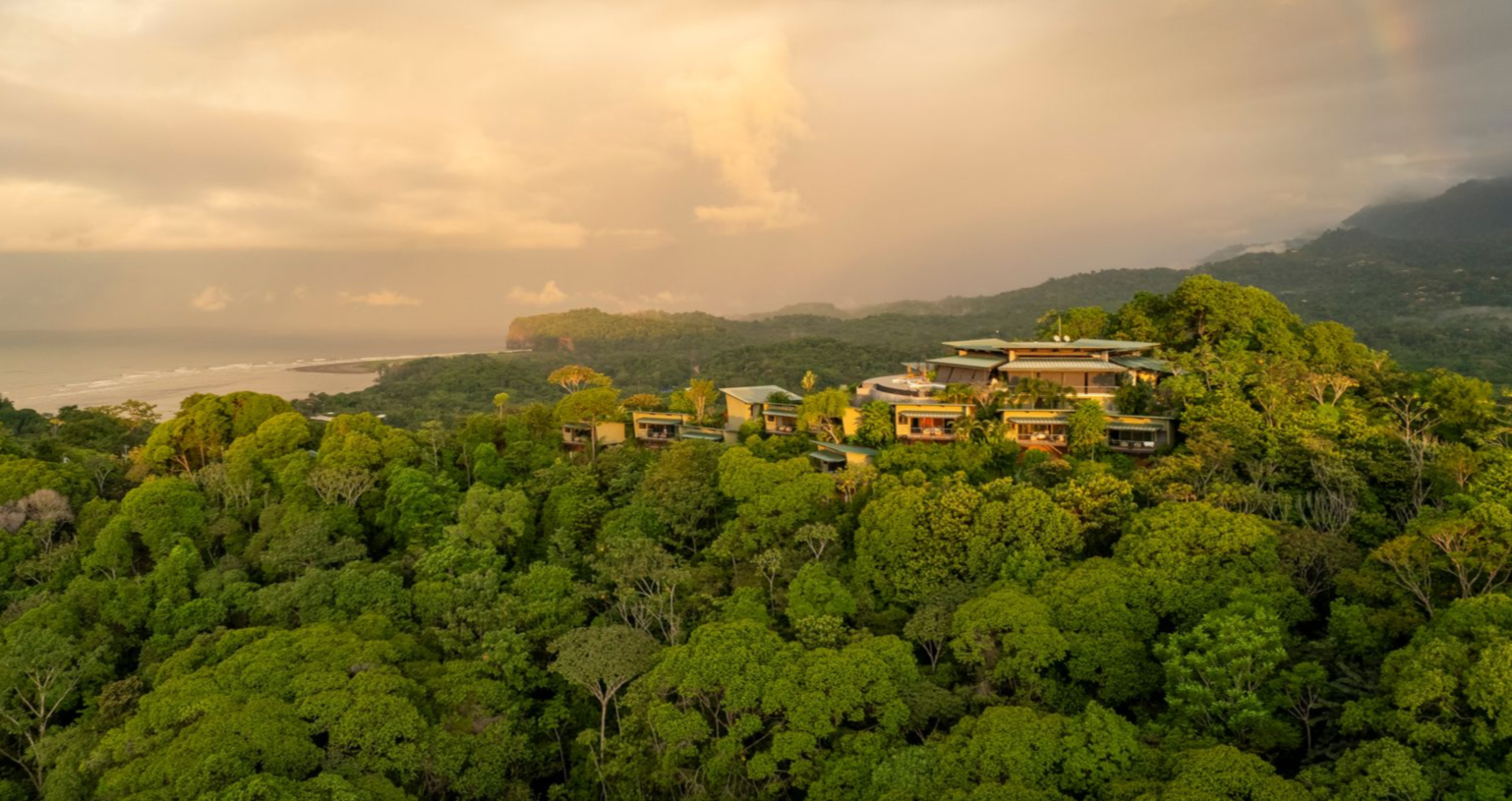
The honest answer is that the southern Pacific coast — the stretch of coastline that runs from Dominical through Uvita and down to Ojochal and the Osa Peninsula — is genuinely worth visiting year-round. Unlike some destinations where the off-season is best avoided, the Costa Ballena rewards travelers in every month of the year, just with different highlights depending on when you arrive.
The real question isn't whether to come — it's what you want to do when you get here.
Whether you're chasing humpback whales in open water, hoping to witness sea turtles nesting under a full moon, looking for the best beach conditions for swimming and snorkeling, or simply wanting to arrive when the rainforest is at its most dramatic and alive — the southern Pacific coast has a version of itself built exactly for that. This guide breaks it down, activity by activity, so you can plan a trip that matches exactly what you're looking for.
Whale Watching: July Through October & December Through March
If whale watching is on your list, you're in one of the best places on the planet to do it — and you have a remarkably wide window to choose from.
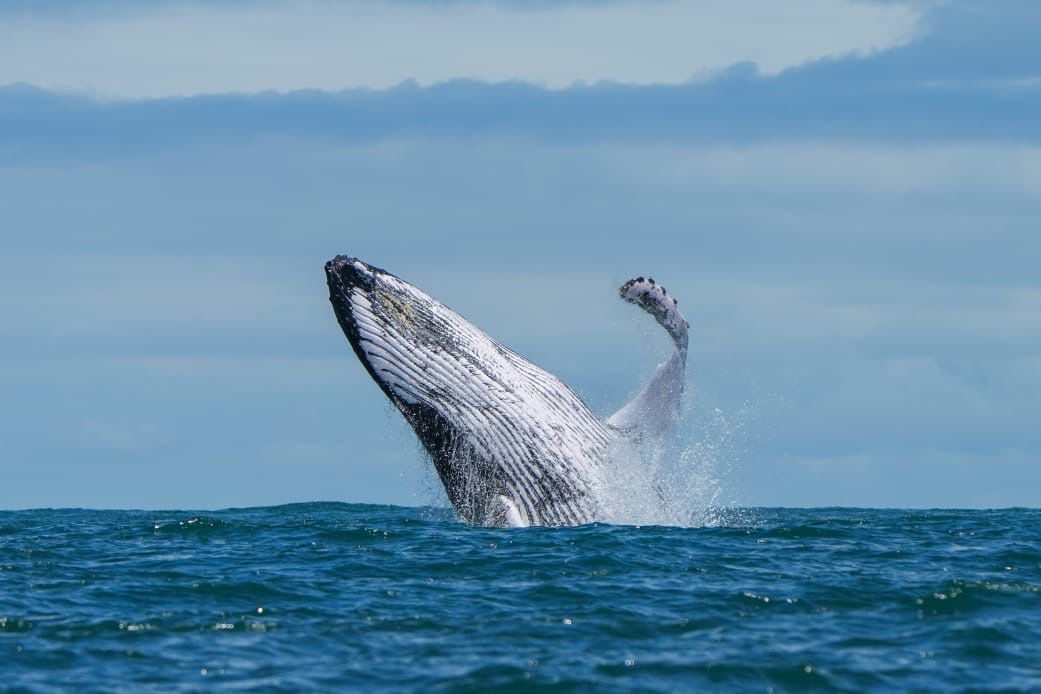
The waters around Marino Ballena National Park and the wider Costa Ballena host two distinct humpback whale migrations every year. Southern hemisphere families — Antarctic humpbacks — arrive from July and stay through October or November, making this the most popular whale watching window. Then, northern hemisphere whales from California and Canada arrive in December and remain through March or April.
That means the Costa Ballena enjoys active whale watching for roughly eight to nine months of the year. During peak season from August through October, whale encounters are particularly frequent, with mothers nursing calves in the warm protected waters near Golfo Dulce. From Hotel Three Sixty, organized whale watching tours depart from nearby Uvita and Drake Bay, putting you in the water with these extraordinary animals within minutes of leaving the hotel.
Best months: August–October for southern whales; December–March for northern whales.
Sea Turtle Nesting: June Through December
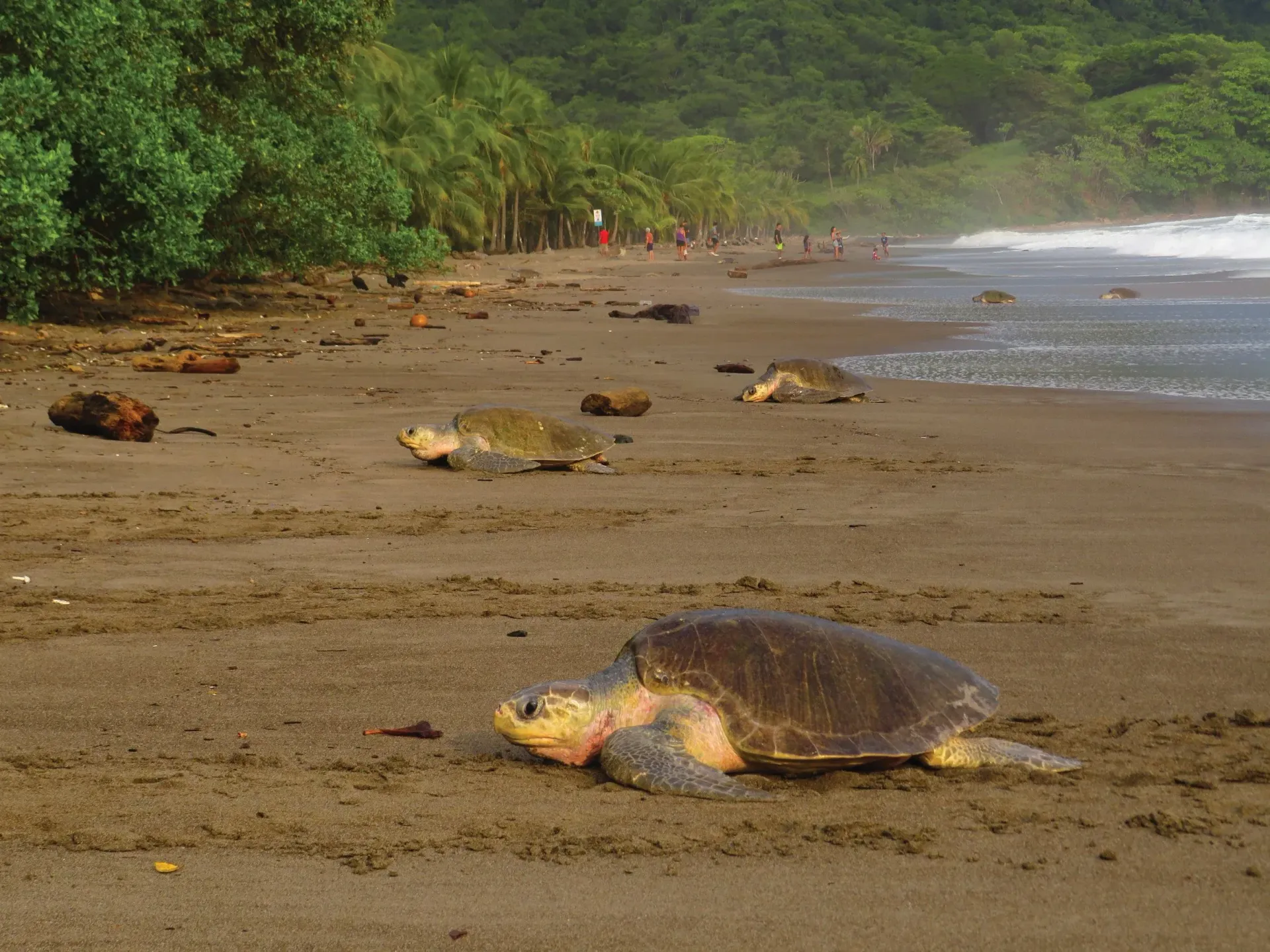
Playa Tortuga, just minutes from Ojochal, is an officially declared Olive Ridley sea turtle nesting beach — protected by the dedicated team at Reserva Playa Tortuga since 2010. Witnessing a turtle come ashore to nest is one of those experiences that stays with travelers for the rest of their lives, and the nesting season here runs from June all the way through December, with the peak concentration of nesting females arriving in September and October.
During peak months, it's possible to witness individual turtles nesting every other night — sometimes two or three in a single evening. The reserve's team monitors the beach year-round and can arrange accompanied night walks for visitors during nesting season.
This is also one of the most compelling reasons to consider the green season for a Costa Ballena trip. September and October — peak nesting months — fall squarely in the rainy season, meaning fewer tourists, lower hotel rates, and an experience of Ojochal's beaches that feels genuinely private and unhurried. At Hotel Three Sixty, the surrounding rainforest canopy is at its most spectacular during these months too — lush, deeply green, and alive with birdsong and wildlife in a way the dry season simply can't match.
Best months: September–October for peak nesting activity; June–December for the broader season.
Beach Days & Swimming: December Through April
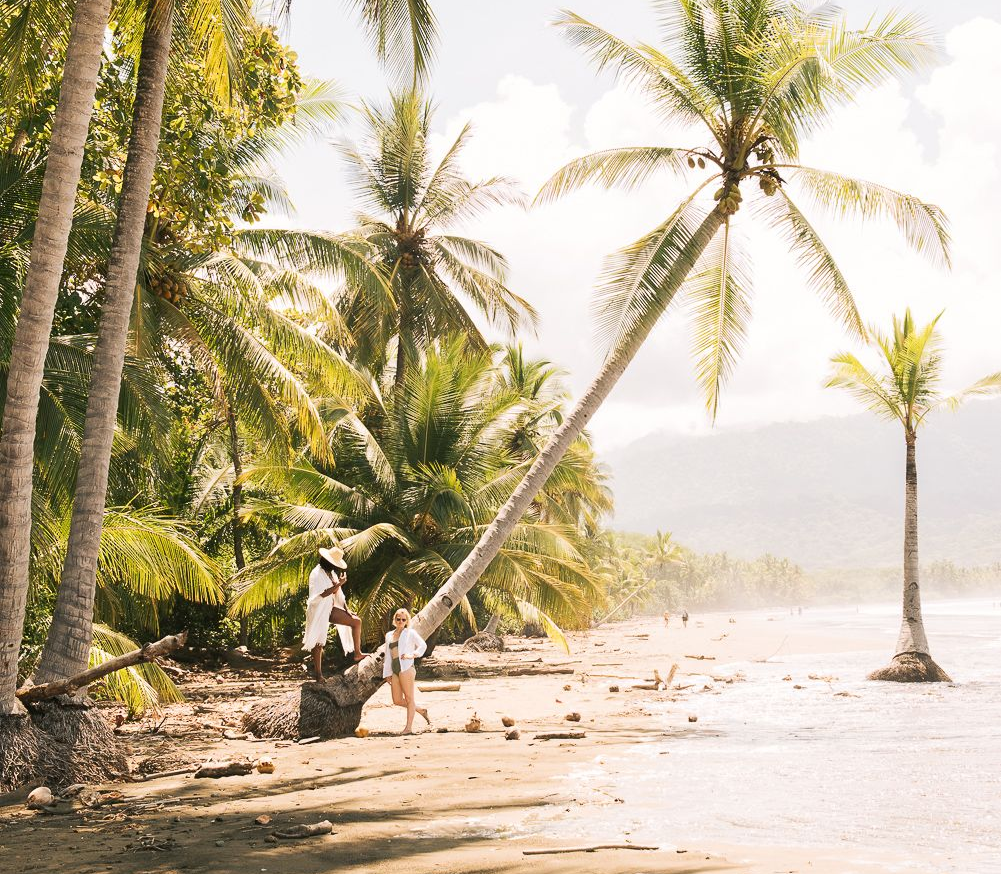
For classic beach weather — clear blue skies, calm waters, and uninterrupted sunshine — the dry season from December through April delivers the best conditions along the entire southern Pacific coast.
During these months, Playa Piñuela's sheltered cove is at its calmest and most swimmable, the Whale Tail sandbar at Marino Ballena is easily walkable at low tide, and Playa Ventanas' sea caves are accessible with the safest conditions of the year. Days are long and bright, mornings are spectacularly clear, and the coast radiates with the kind of warm, golden light that makes every photograph look effortless.
This is also high season, which means it's the busiest and most expensive time to visit. Booking well in advance is strongly recommended — particularly for a boutique property like Hotel Three Sixty, where villa availability during December through March fills early. The good news is that even at the height of dry season, Ojochal's beaches remain far less crowded than those at Uvita or Manuel Antonio, so the sense of discovery never fully disappears.
Best months: December–April for optimal beach conditions and sunshine.

Surfing: May Through November
Costa Rica's southern Pacific coast comes alive for surfers when the green season arrives. From May through November, larger Pacific swells push in consistently, making nearby Dominical — just 30 minutes north of Ojochal — one of the most sought-after surf destinations in Central America.
Experienced surfers seek out Dominical's powerful breaks during this window, while beginners and intermediate surfers will find more manageable conditions in the earlier and later months of the season. The rainy season's bigger swells also make for excellent boogie boarding and bodyboarding at beaches like Playa Ventanas, where local families gather on weekends for exactly that.
If surfing is your primary draw, pairing a green season trip with Hotel Three Sixty gives you the best of both worlds: consistent waves during the day and a private rainforest villa to retreat to when the session is done.
Best months: May–November for larger swells; May–June and October–November for the best balance of surf conditions and manageable weather.
Wildlife & Birdwatching: Year-Round, With a Green Season Edge
Here's something that surprises many first-time visitors to Costa Rica: the green season is actually better for wildlife watching in many respects. Animals are more active, the forest is denser and more vibrant, rivers and waterfalls are at full power, and the relative scarcity of tourists means you're far more likely to encounter wildlife on your own terms — without a crowd gathering around the same howler monkey.
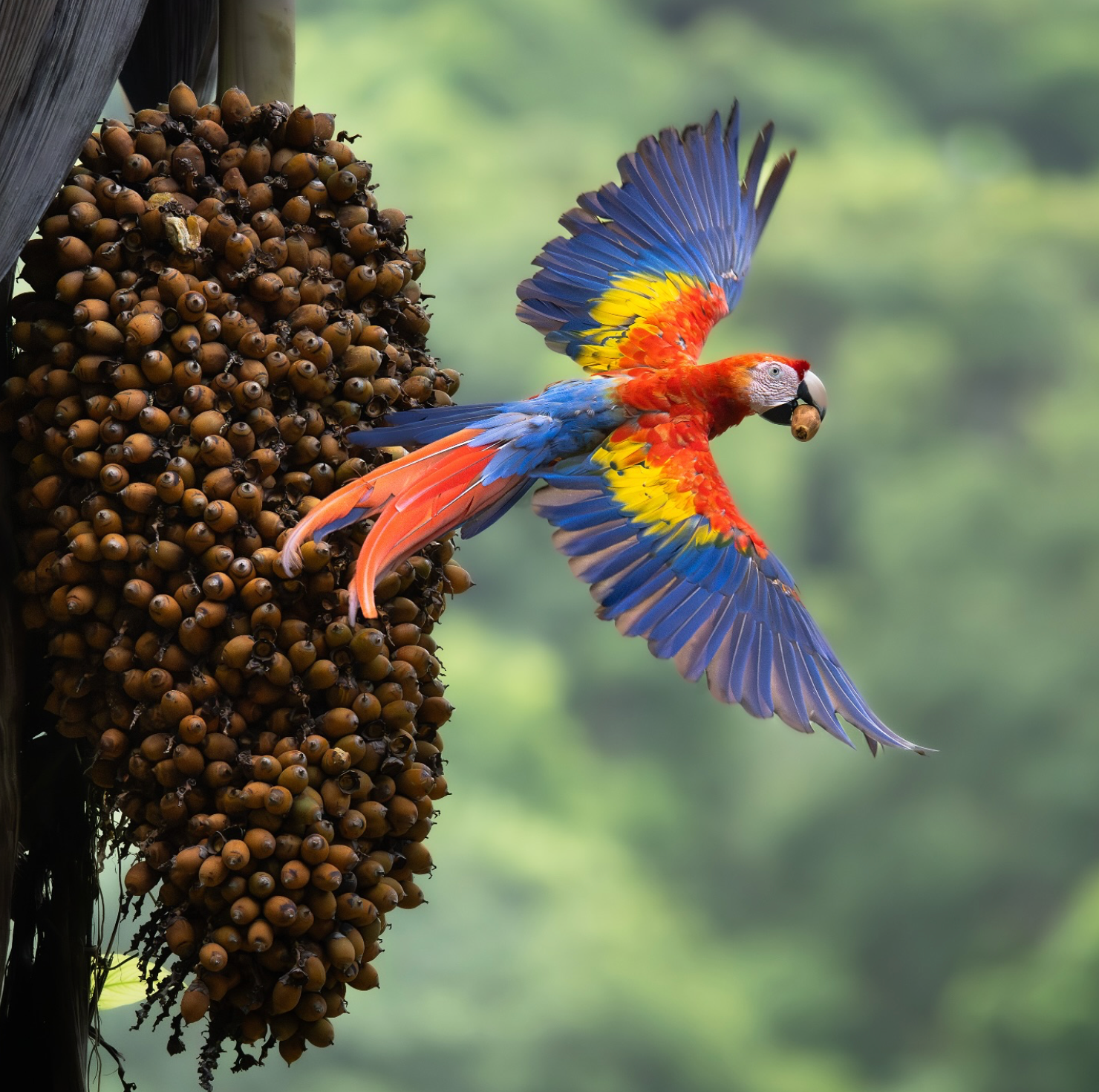
Scarlet macaws, toucans, sloths, white-faced capuchins, and howler monkeys are present year-round throughout the Ojochal area. The dry season offers clearer visibility and easier trail conditions for hiking — important for day trips to Corcovado National Park and Nauyaca Waterfalls — while the green season delivers an intensity of color, sound, and activity in the rainforest that is genuinely unlike anything else.
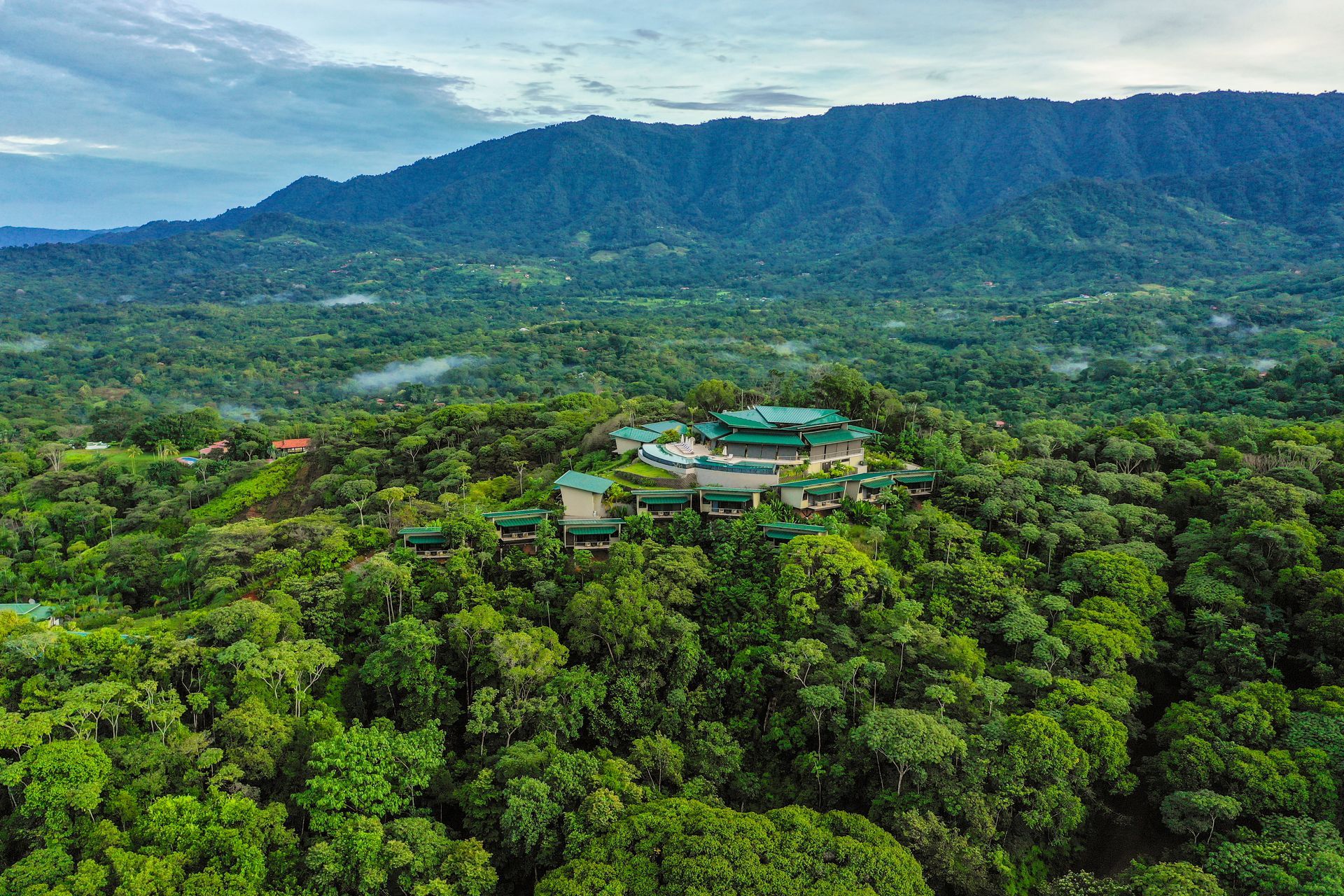
From Hotel Three Sixty's villas, perched above the rainforest canopy with panoramic Pacific views, the changing seasons make themselves felt in beautiful ways — the afternoon rain rolling in from the ocean, the double rainbows that appear over the hills after a storm, the way the canopy seems to deepen in color with every passing week of the wet season.
Best months: December–April for hiking and trail conditions; May–November for the most vivid, active rainforest experience.
Shoulder Season: The Sweet Spot Nobody Talks About
If you want the best of both worlds — good weather, reasonable prices, fewer crowds, and active wildlife — consider the shoulder months: May, June, and November.
May and June mark the beginning of the green season, but the rains haven't yet settled into their most intense rhythm. Mornings are typically sunny and clear, afternoons bring refreshing showers, and the landscape transforms almost overnight into something extraordinarily lush. Hotel rates drop, availability opens up, and the coast takes on a quieter, more intimate character that seasoned Costa Rica travelers know well.
November is similar in reverse — the rains begin to ease, whale watching season is still active, turtle nesting is wrapping up, and the region settles into a beautiful in-between state before the holiday high season arrives.
At Hotel Three Sixty, shoulder season is genuinely one of our favorite times to welcome guests. The property is at its most private, the surrounding rainforest is spectacular, and the combination of comfortable weather and uncrowded beaches makes for a version of the Costa Ballena that feels entirely your own.
So — When Should You Come?
The honest answer remains the same: it depends on what you want. Here's a quick summary:
- Whale watching → July–October or December–March
- Sea turtle nesting → September–October (peak); June–December (full season)
- Beach days & swimming → December–April
- Surfing → May–November
- Wildlife & birdwatching → Year-round; green season for intensity, dry season for trail access
- Best value & fewest crowds → May, June, November
Whatever month brings you to Costa Rica's southern Pacific coast, Hotel Three Sixty in Ojochal is ready to make it extraordinary. Our private rainforest villas and Pacific Ocean views are beautiful in every season — and our team can help you plan the activities, tours, and experiences that make the most of exactly when you're here.